
Early intervention in a drug overdose can save lives.
Everyone can save lives from drug overdose
August 26, 2026
That’s why Rebecca Scott is urging the community to help by having the medication Naloxone at home or in their car first aid kit. As an Operations Director at Bayside Health Regional, she understands the lifesaving impact that prompt action and the right medication can make.
Naloxone is available from pharmacies participating in the Australian Government’s Take Home Naloxone program.
“Naloxone is a free, easy-to-use medication that can help temporarily reverse an opioid overdose,” Rebecca said.
“It’s a nasal spray and you don’t need medical training to administer it. It’s safe to use even if you’re unsure someone has taken opioids.
“Before you administer Naloxone, please call 000 immediately as Naloxone only lasts for 30-90 minutes and signs of opioid overdose may be something else.”
Signs of an opioid overdose may include a person who is unconscious or unresponsive, or who is having breathing difficulties.
“The theme of International Overdose Awareness Day on 31 August is ’25 Years On. Still Needed’. This highlights that we can all work together to reduce the impact of substance use on individuals and their loved ones,” Rebecca said.
“Drug overdose can happen to anyone. By speaking openly about drug addiction, learning from each other, and treating each other with care and respect, we can help to save lives.”
At Kooweerup Hospital, Youth and Community Development Officer Brian Harlow said a major part of recovery for a person with a substance abuse disorder is their family and community connections.
“This requires education of the family and community, so they understand their vital role in recovery. Drug use often creates social isolation and often it’s when the community steps in that recovery can begin,” he said.
Aimee Morrison is an AOD (Alcohol and Other Drugs) Withdrawal Registered Nurse at Leongatha Memorial Hospital and Korumburra Hospital.
“Recovery begins with courage, but it is strengthened by a community that replaces judgement with understanding, stigma with compassion, and isolation with connection,” she said.
For information about Alcohol and Other Drugs treatment programs offered by Bayside Health Regional, go to:
- Alcohol & Drug Support Service - Wonthaggi & Phillip Island
- Alcohol & Drug Support Service - Leongatha & Korumburra
At Kooweerup Hospital, Brian offers alcohol and drug support for young people. Phone (03) 5997 9687 or email harlowb@krhs.net.au.
If you are seeking help for alcohol and drug use or addiction, please phone the Australian Community Support Organisation on 1300 022 760. They run an intake and assessment service, and will refer you to the right service for care.
If you would like to speak to an AOD worker at Wonthaggi Hospital for more information on Naloxone and where to access it, please feel free to call the team by phoning hospital reception on (03) 5671 3333.
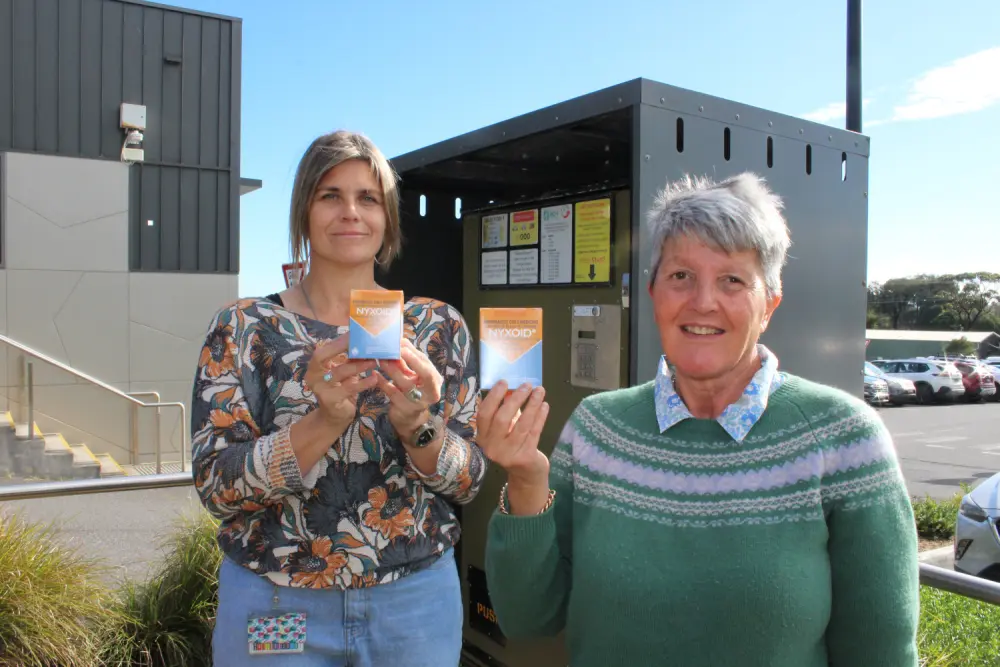
Jasmin Friend and Sarah Bone from Bayside Health’s Drug and Alcohol Services at Wonthaggi Hospital with Nyxoid, a nasal spray containing Naloxone that can be administered to temporarily reverse an opioid overdose.
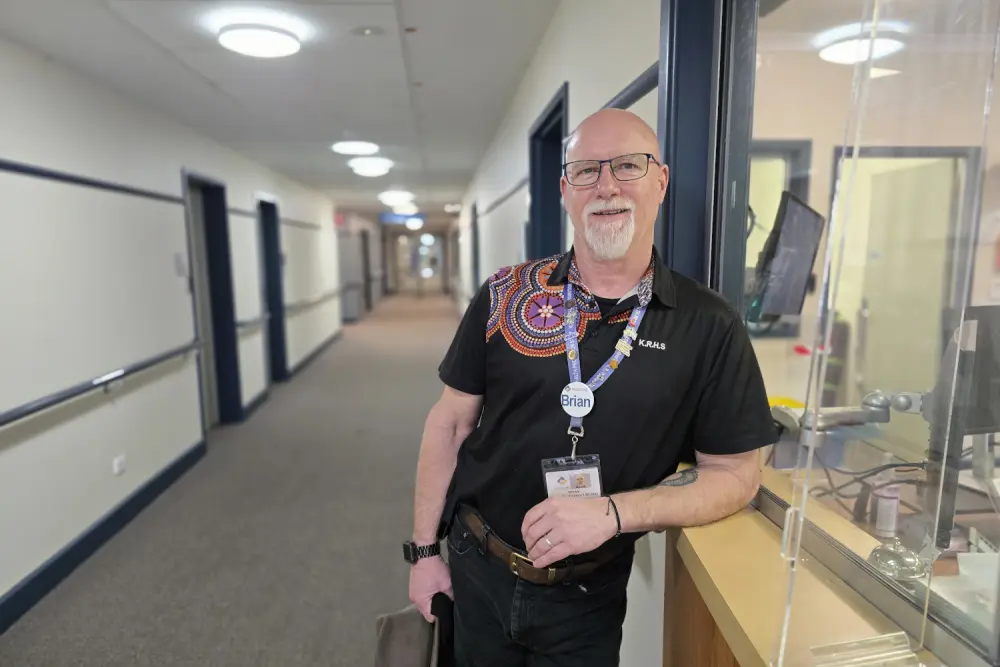
Brian Harlow, Youth and Community Development Officer at Bayside Health’s Kooweerup Hospital, is able to help young people with alcohol and drug support.
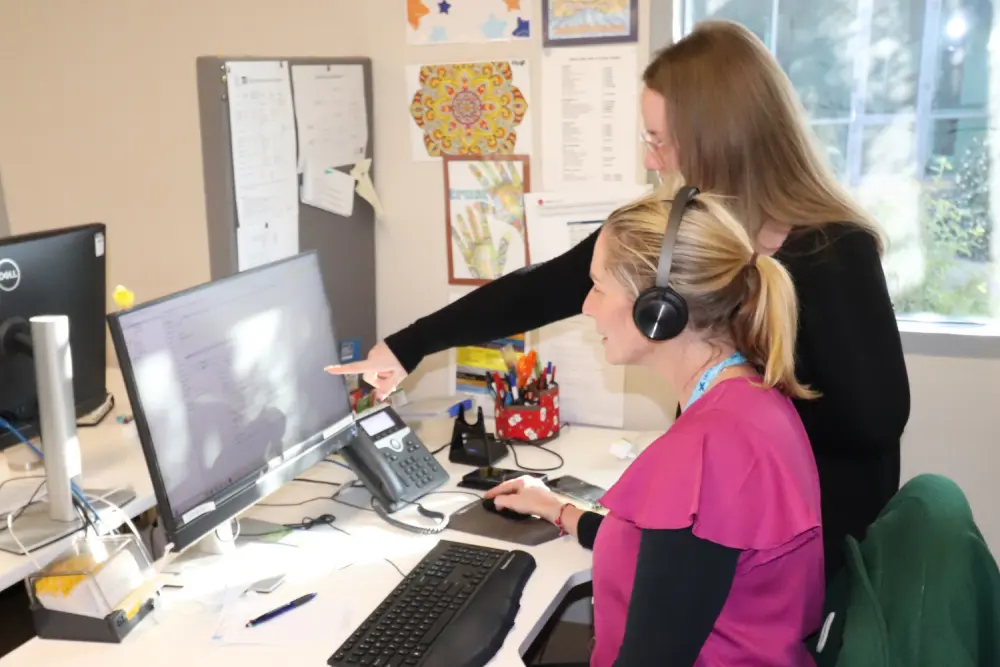
Alcohol and Other Drugs team members at Leongatha Memorial and Korumburra hospitals, Aimee Morrison, seated, and Laura Nicholas, discuss care approaches.